From Frustration to Delight: Designing Effective 404 Pages
30 Oct 2024
3min read
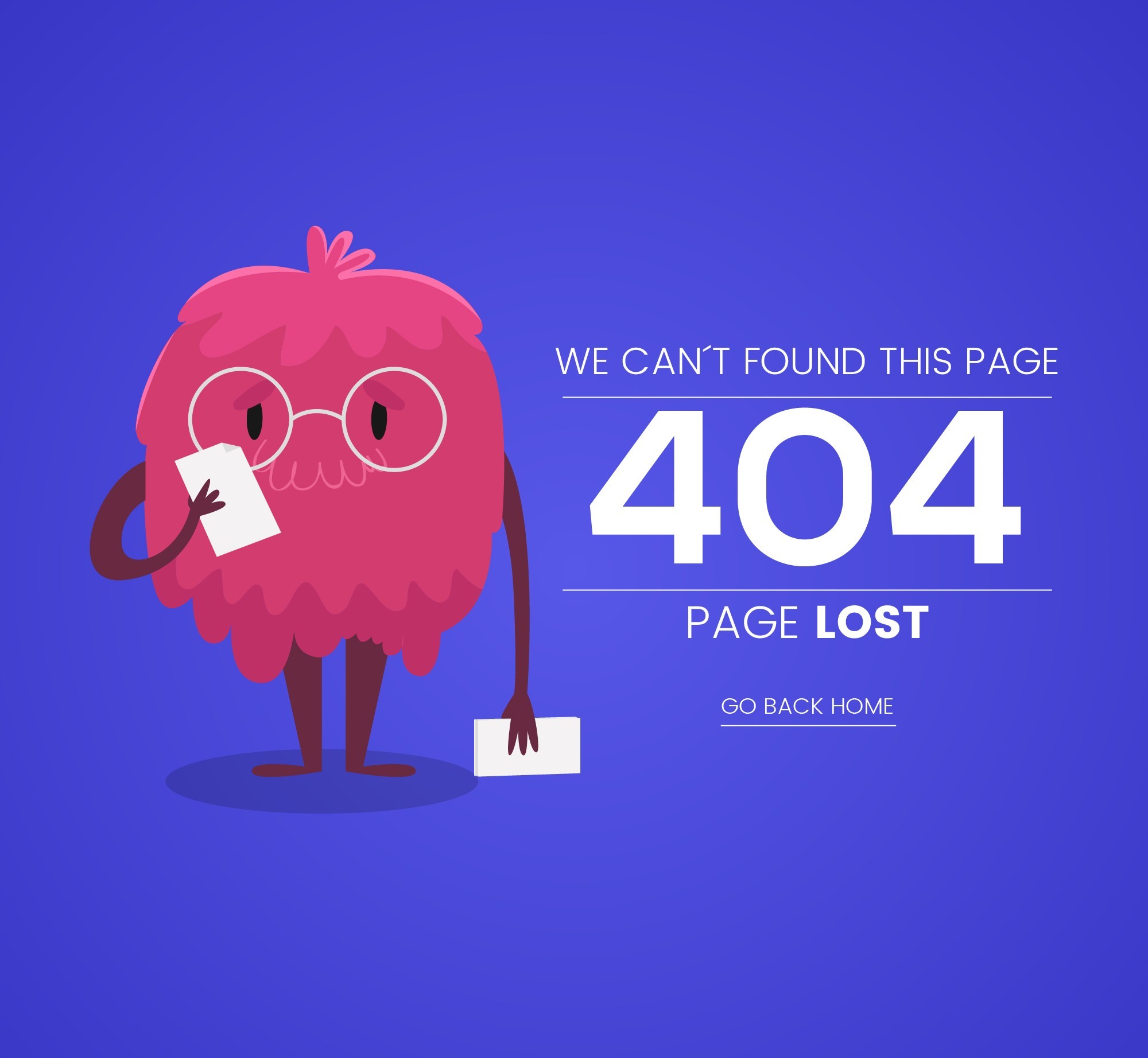
What is a 404 Page and Why Does It Matter?
A 404 page is the error page users see when they try to access a web page that doesn’t exist. This can happen for a variety of reasons, such as a broken link, a mistyped URL, or a deleted page. While encountering a 404 page might be frustrating for users, it’s also an opportunity for brands to turn a potential disappointment into a positive, memorable experience.
Why 404 Pages are Essential for User Experience
404 pages might seem like simple error messages, but they play an important role in user experience. A thoughtfully designed 404 page can reduce frustration and even encourage users to stay on your site rather than leaving. Instead of a dead-end, a great 404 page serves as a gentle guide to help users find their way.
Best Practices for Creating an Effective 404 Page
Keep the Tone Friendly and On-Brand: Use approachable language that aligns with your brand’s personality. A light-hearted or humorous message can soften the frustration of a dead link.
Provide Helpful Navigation Options: Give users clear pathways to continue exploring your site. Links to the home page, popular pages, or a search bar can quickly get them back on track.
Add a Creative Touch: Consider adding a unique visual element or clever copy to make your 404 page memorable. Some brands use illustrations, animations, or playful messages to leave a positive impression.
Encourage User Action: Besides navigation links, you could include options like “Contact Us” or “Report an Issue” to show you care about helping users find what they need.
Keep the Design Simple: Avoid overwhelming users with too much information or too many options. A clean, simple design with one or two key actions helps users quickly find their way.
Examples of Great 404 Pages
Many successful brands use creative 404 pages to reinforce their brand identity and keep users engaged. For instance, companies like Netflix and Slack incorporate humour, while e-commerce sites like Amazon provide helpful links to popular categories. These thoughtful touches turn a potentially frustrating experience into an opportunity for brand engagement.
In Summary
A well-designed 404 page isn’t just an error message; it’s a chance to show users you care about their experience on your site. By using friendly language, providing clear navigation, and adding a touch of creativity, you can turn an error page into a positive interaction that keeps users engaged with your brand.