When Designers Do Too Much!
28 Oct 2024
7min read
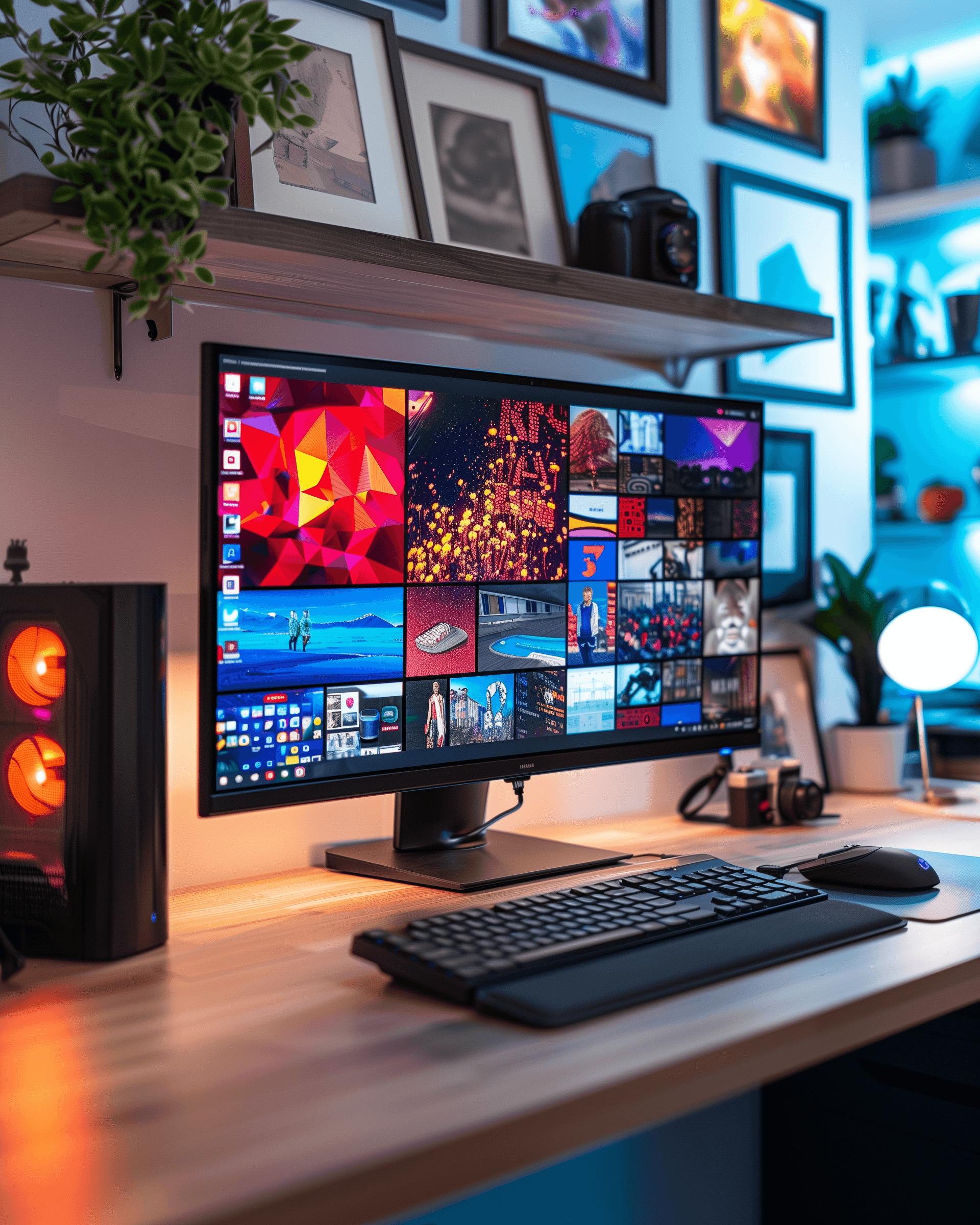
As designers, we pour our hearts and souls into creating portfolio websites that showcase our best work. But in the pursuit of making something extraordinary, we sometimes do too much. I recently browsed through some designer portfolios and found myself overstimulated by the sheer number of unnecessary interactions. From excessive animations to hard-to-navigate layouts, these sites created by designers I admire were beautiful but overwhelming.
It got me thinking: Do designers forget that most visitors to their portfolios aren’t designers themselves? Most people browsing portfolios are non-designers, potential clients, recruiters, or collaborators and they don’t want to be overwhelmed. They want to find the information they need quickly and effortlessly. But in some cases, we’re making that difficult.
Simplicity is Key
Simplicity in design isn’t about making something basic. It’s about making it functional and effective. When building a portfolio, the goal is not to impress other designers with your ability to cram every trend and trick it into one page. Instead, the focus should be on user experience.
Ask yourself: Can visitors easily find the key information about my work? Is it clear how to contact me? Is my navigation intuitive? By keeping things simple and streamlining the experience, you allow users, especially non-designers, to focus on what matters: your work. Sometimes, the most elegant solution is the simplest one.
The Problem with Overstimulation
One thing that many portfolios suffer from is overstimulation. Picture this: you land on a designer’s website, and suddenly, there’s an explosion of animation, interactive elements, and pop-ups. While these features may seem cool, they can detract from the overall experience, making it harder for users to focus on your work.
For users with attention deficiencies, overstimulation can be especially frustrating. Instead of engaging with your portfolio, they’re likely to leave in search of something easier to digest. Remember, a portfolio should invite users in, not push them away with overwhelming effects. Design should enhance the user’s journey, not distract from it.
User-Centric Design
At the heart of a great portfolio is user-centric design. This means putting the user first and ensuring their experience is seamless. Whether they’re designers or non-designers, your visitors should be able to find what they’re looking for quickly and without frustration.
Here are a few questions to guide your portfolio design:
Can users easily navigate the site without getting lost?
Is key information—like your portfolio and contact details—readily accessible?
Are interactions necessary, or are they just there for show?
By focusing on the user’s needs and keeping the design simple, you can create a portfolio that is both beautiful and functional.
Good UI/UX Practices
Now, let’s talk about some good UI/UX practices that can help improve the user experience in a portfolio:
Clear Navigation: Ensure that the site’s structure is intuitive. Users should be able to move between pages with ease, without having to hunt for buttons or menu items.
Minimal Interactions: Only use animations or interactions where they genuinely enhance the experience. Avoid unnecessary elements that could slow down or confuse the user.
Readability: Choose legible fonts and ensure there is a good contrast between text and background colours. Keep the content concise and to the point.
Mobile Optimisation: Many visitors will check your portfolio on their phones. Make sure your site is mobile-friendly and responsive, so it works seamlessly across devices.
My Concluding Take
When designing a portfolio, remember that less is more. The goal should always be to make the user experience as smooth and enjoyable as possible. Instead of impressing users with flashy animations or complex interactions, focus on showcasing your work in a way that is accessible, clear, and user-friendly.
At the end of the day, the portfolio is not about you—it’s about the user. Keep that in mind, and your design will not only stand out but also resonate with the people who matter most.
Thanks for reading!